
From newcomer to change maker
“You can become anything you want. There will be ups and downs, but you must work hard. Know who you are, where you’ve come from, why you’re here, and where you’re going.“
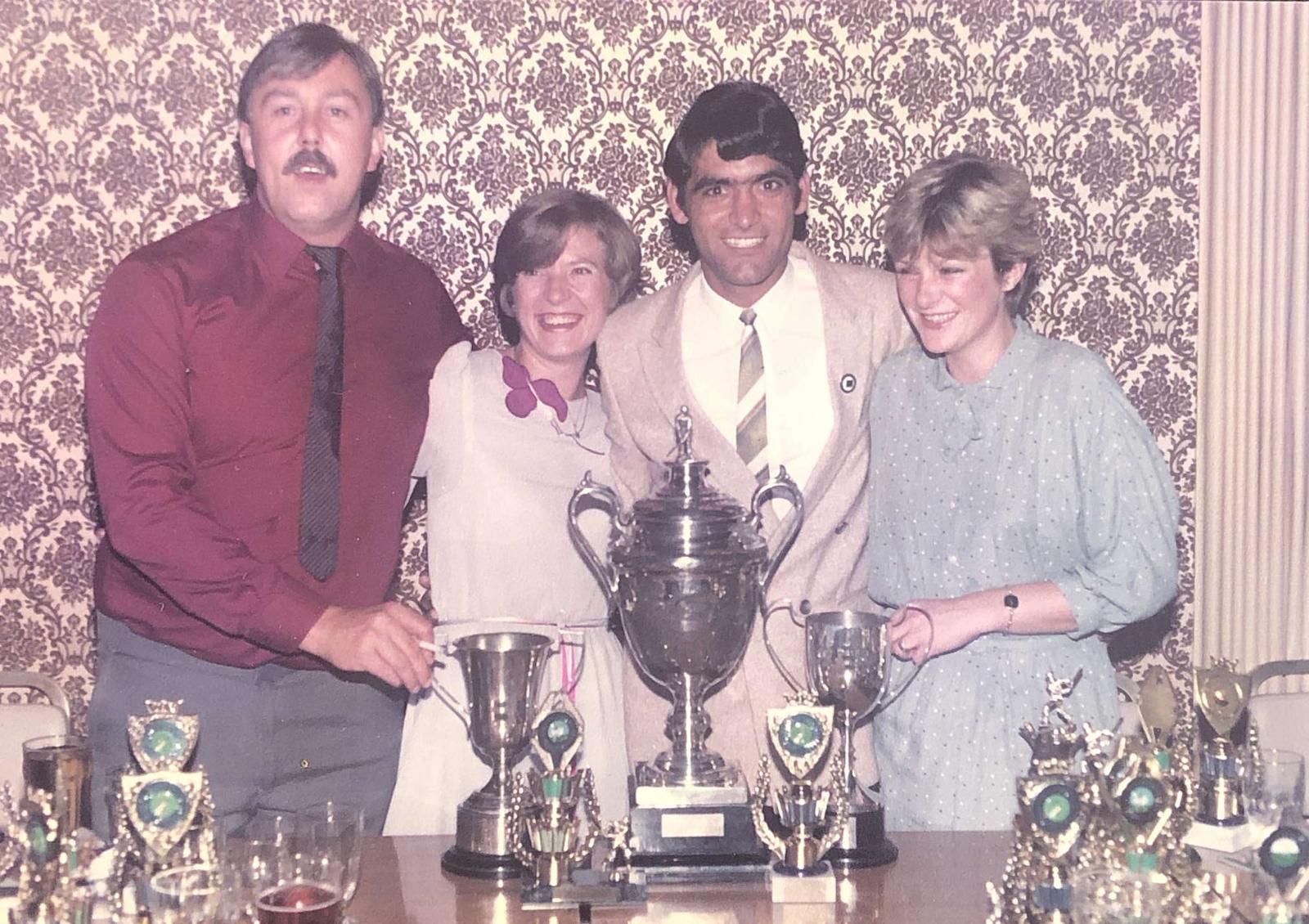
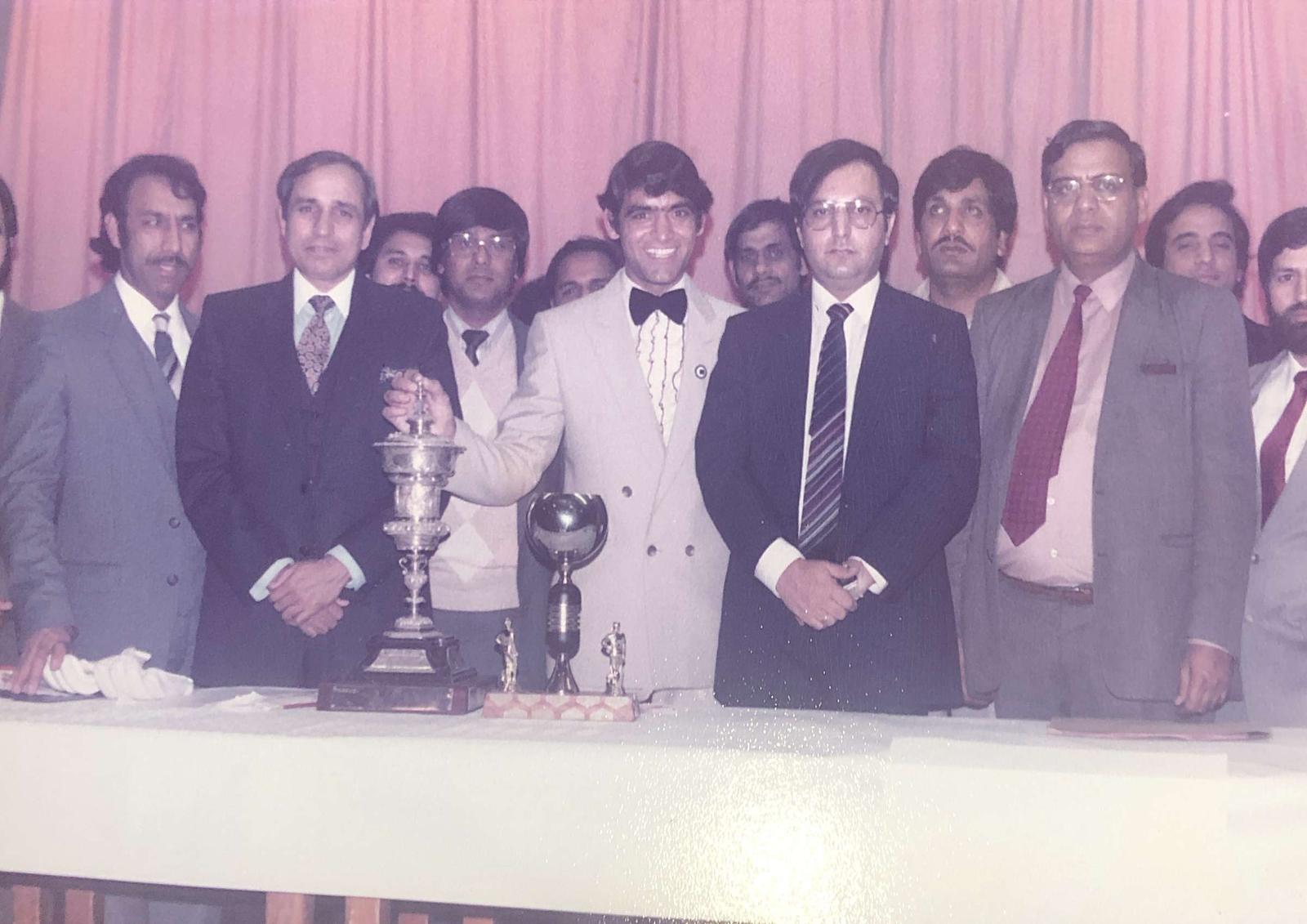
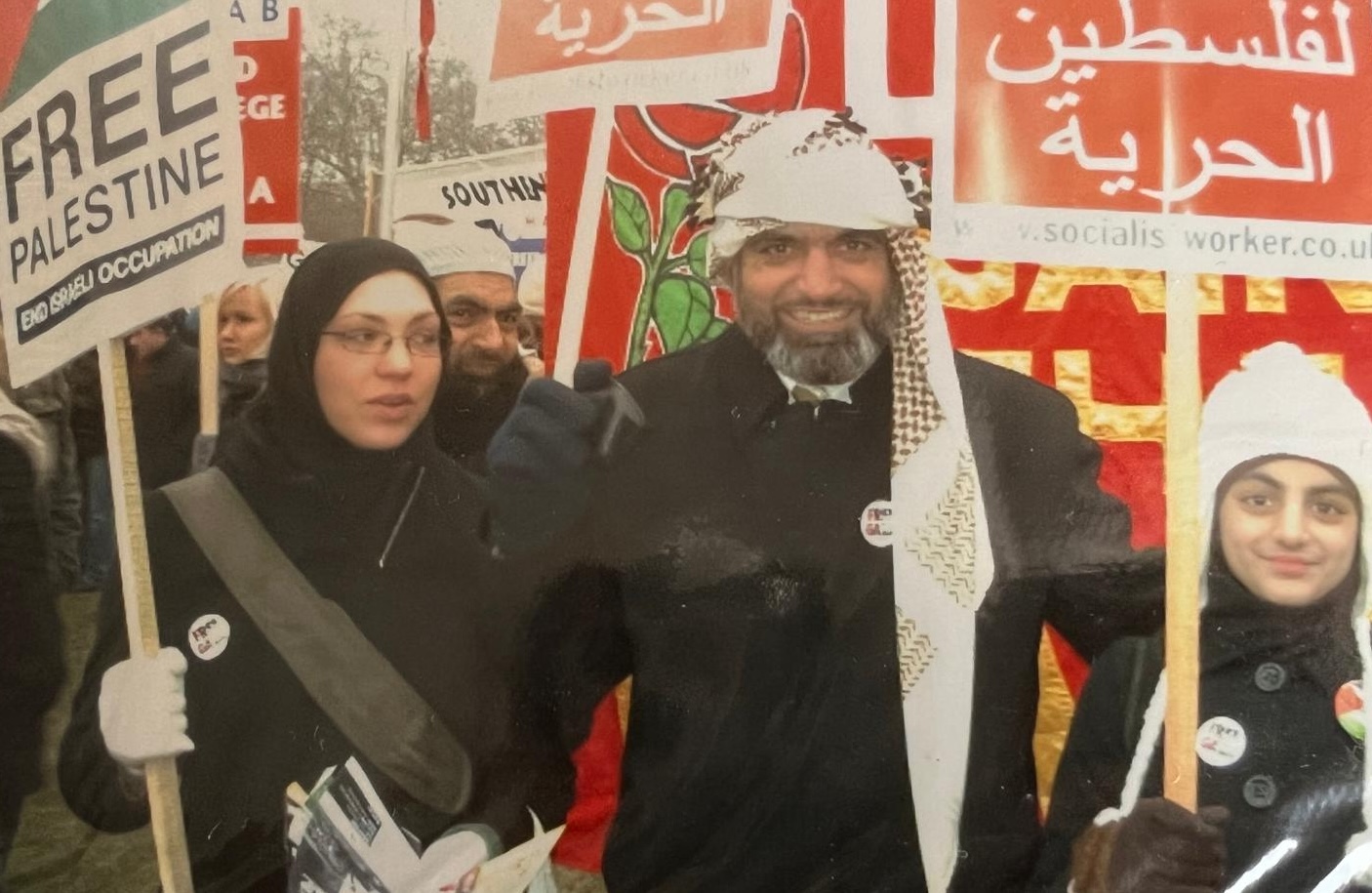
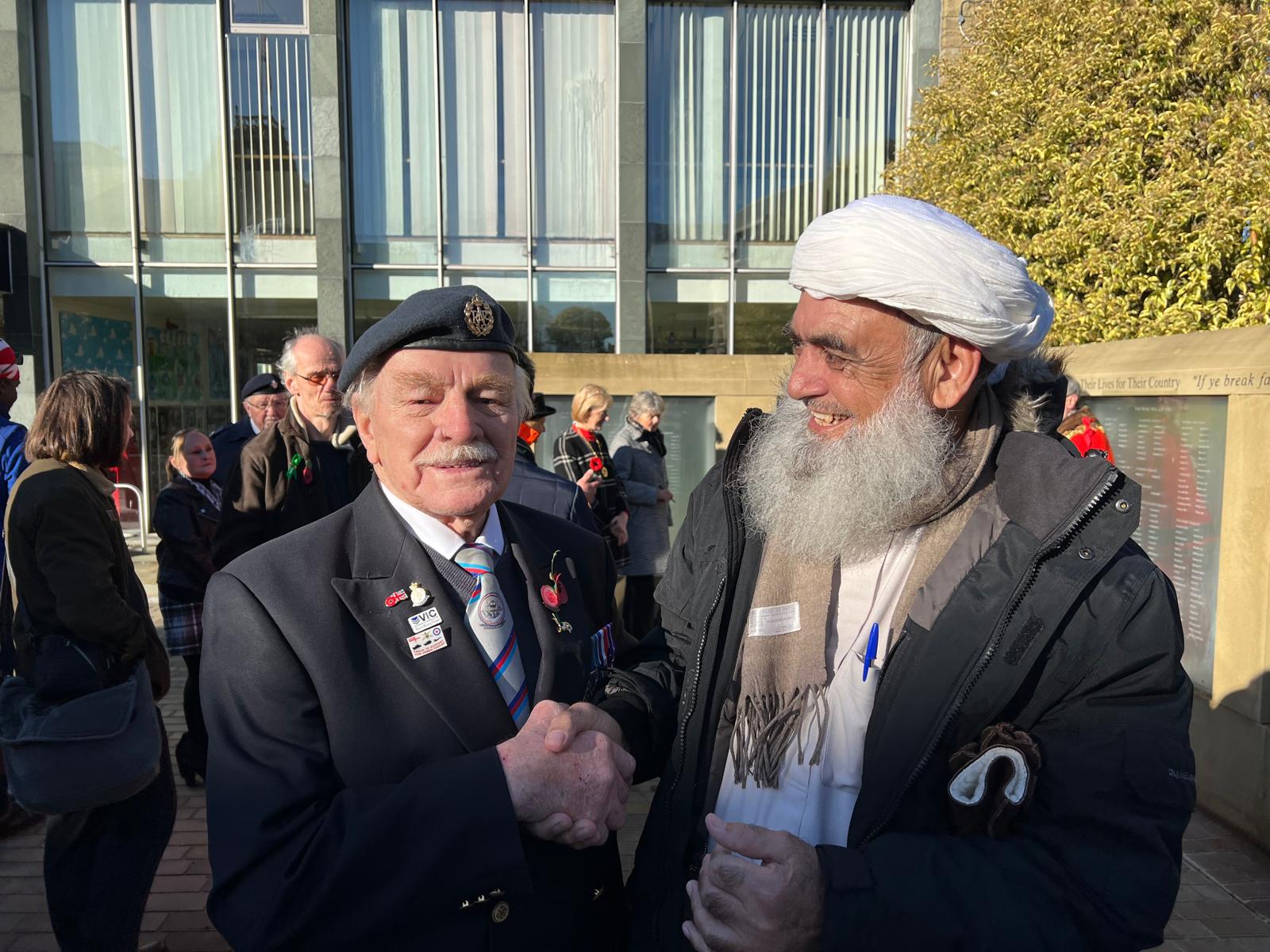
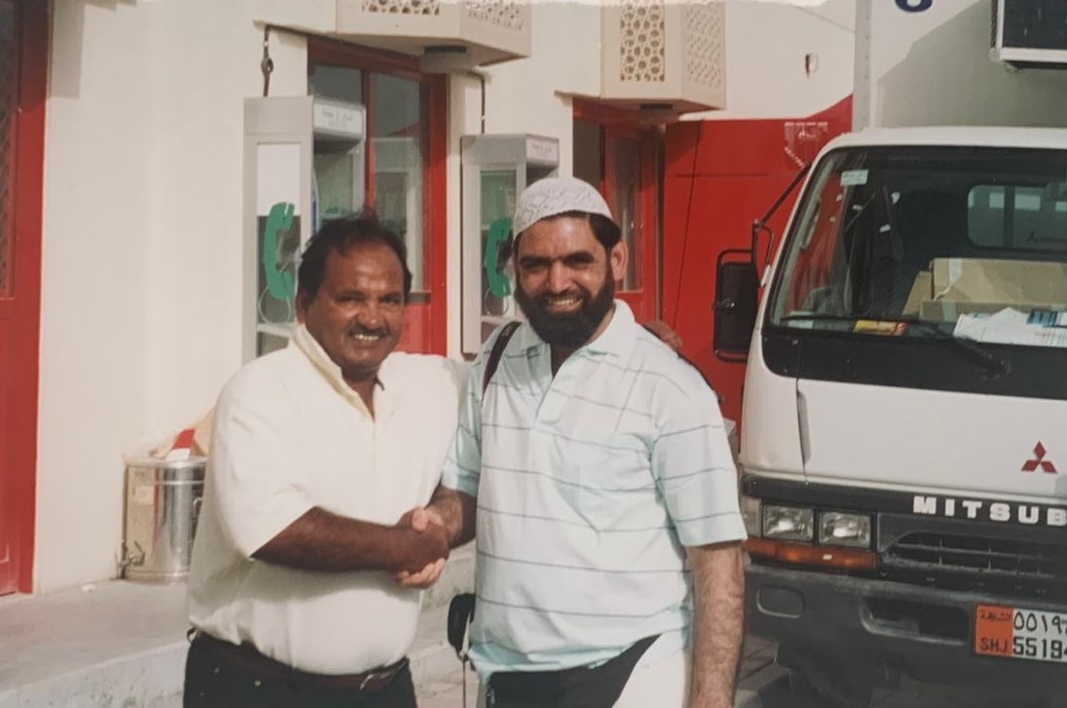
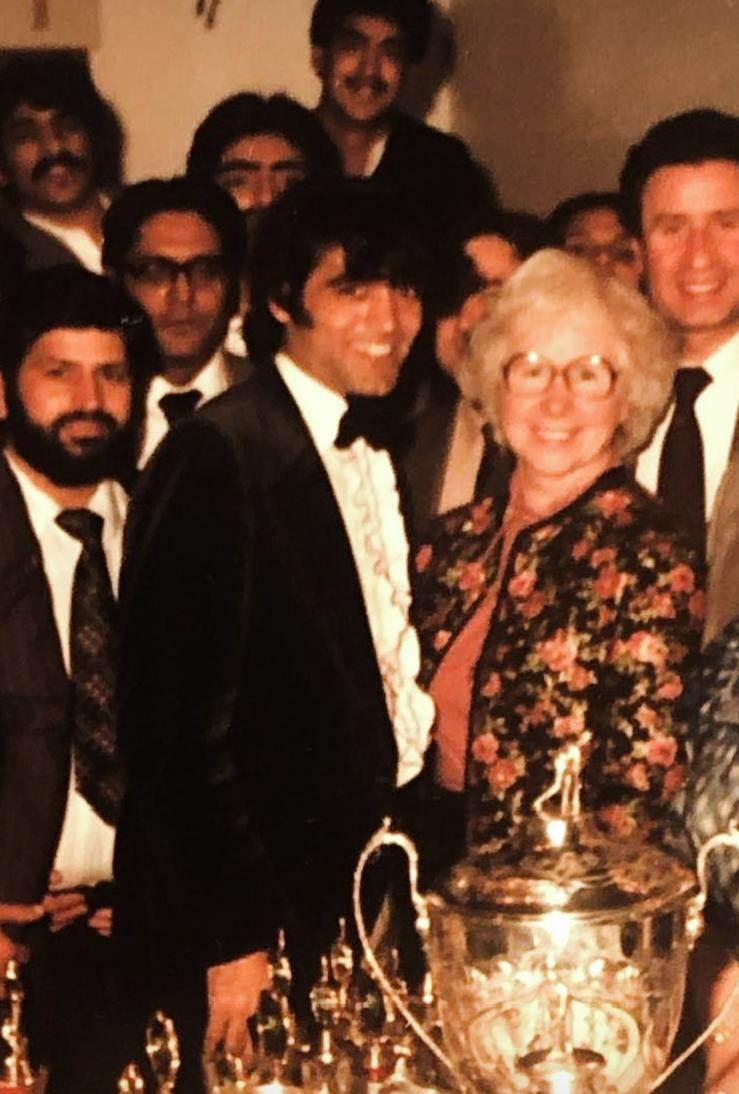
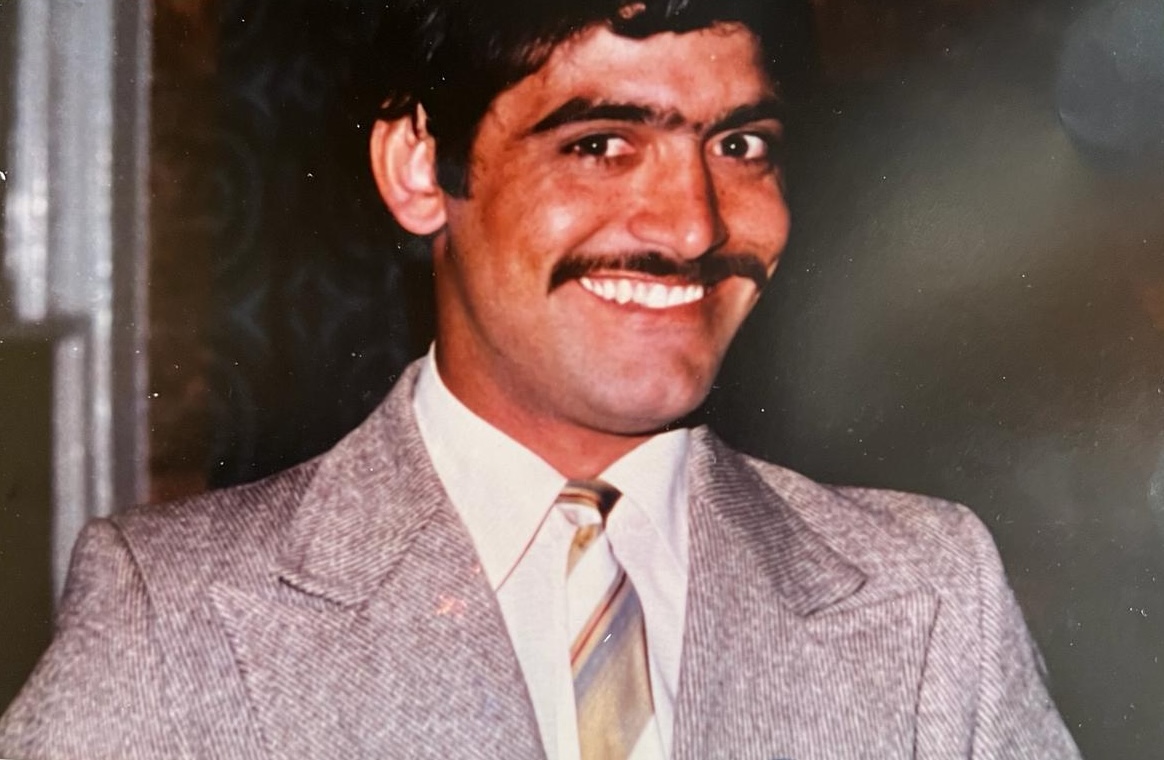
Mohammed Iqbal arrived in Nelson in 1964 as an 11 year-old boy, unable to speak English but full of potential. He quickly adapted to his new environment, learning the language with the support of a Headteacher who saw promise in him. School life became a space where he thrived socially and excelled in sport, laying the foundations for his determined and community-focused character. Though the transition to life in the UK came with its challenges, Iqbal reflects on his early years as mostly positive, crediting the country with giving him many opportunities.
At 15, Iqbal left school and entered the textile industry, cycling to work and quickly progressing from labourer to skilled weaver. Despite having the skills, he noticed Asian workers were being denied promotions, particularly into roles such as tacklers. At 21, he directly challenged the union, asking why no Asian person had ever been appointed to the role. This bold act caught the attention of the investigative TV programme World in Action, which spotlighted his story nationally, helping to highlight systemic discrimination in British workplaces.
As textile jobs declined, Iqbal returned to education while raising three children and working part-time as a play leader in Burnley. His daily routine involved running seven miles to and from work and attending classes at Nelson and Colne College in Maths, English, and Psychology. A job interview with Lancashire County Council became a turning point. He boldly negotiated for full-time university education and better pay, despite lacking formal qualifications. Two months later, the council accepted his terms, and within three months of study, he achieved a pay level that usually took others over a decade.
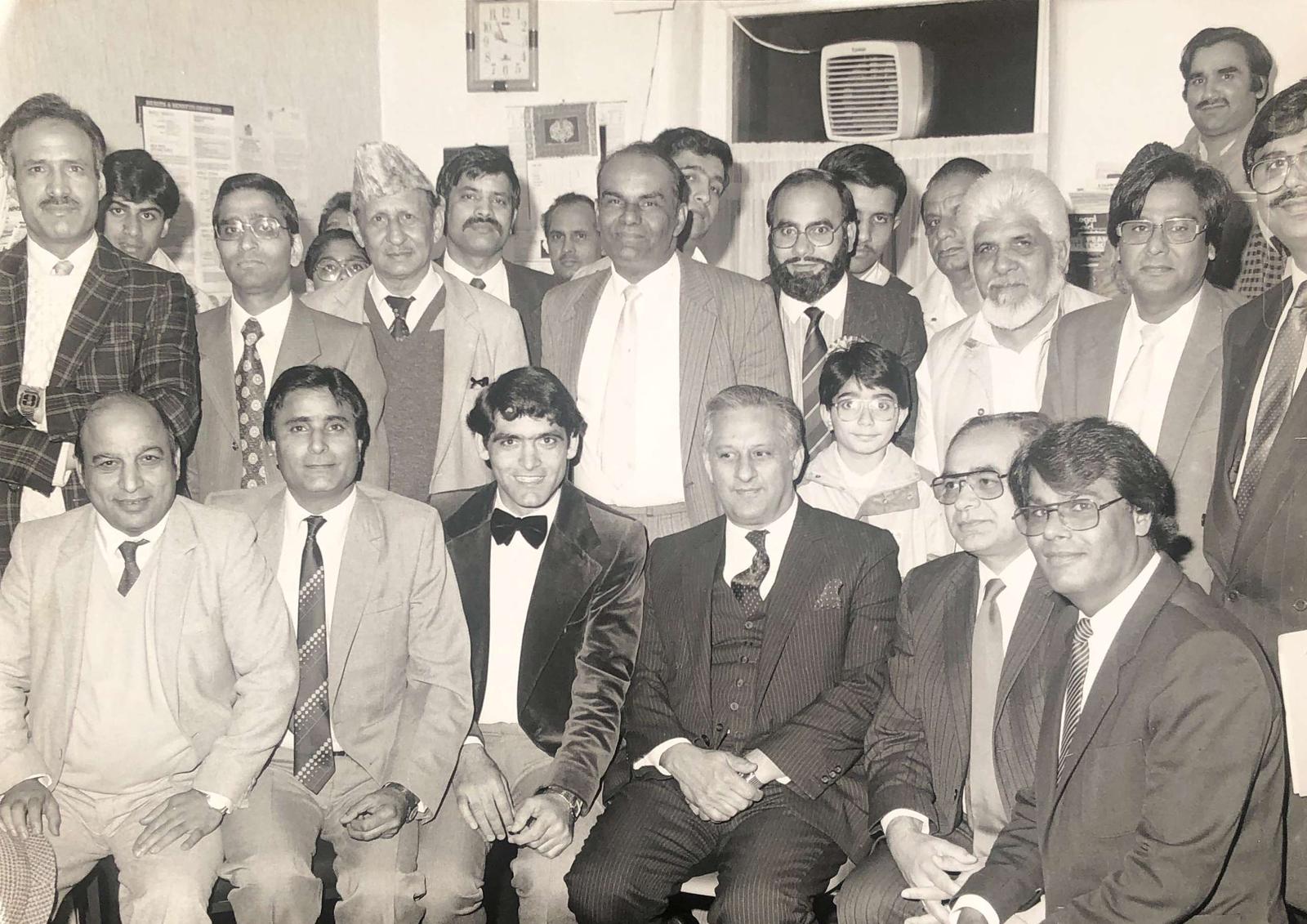
Throughout his life, Mohammed Iqbal remained committed to helping others break down barriers. He mentored job seekers, supported Asian applicants in understanding recruitment processes, and worked with colleges to make their hiring criteria more inclusive.
His message remains clear and powerful: “You can become anything you want. There will be ups and downs, but you must work hard. Know who you are, where you’ve come from, why you’re here, and where you’re going.”
Mohammed Iqbal’s story is one of resilience, integrity, and lasting impact on his community.
Stay up-to-date
Subscribe to be the first to receive latest updates on upcoming exhibitions and news.